EEE conducts TeXplore 2026 – Learn • Write • Publish
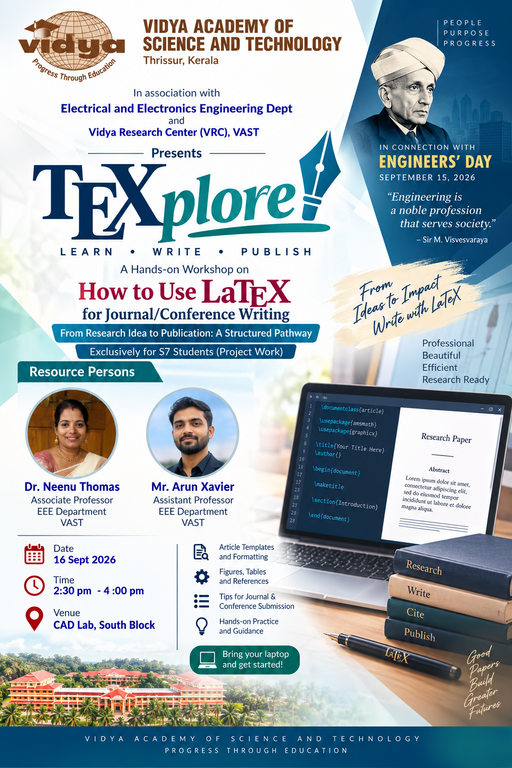
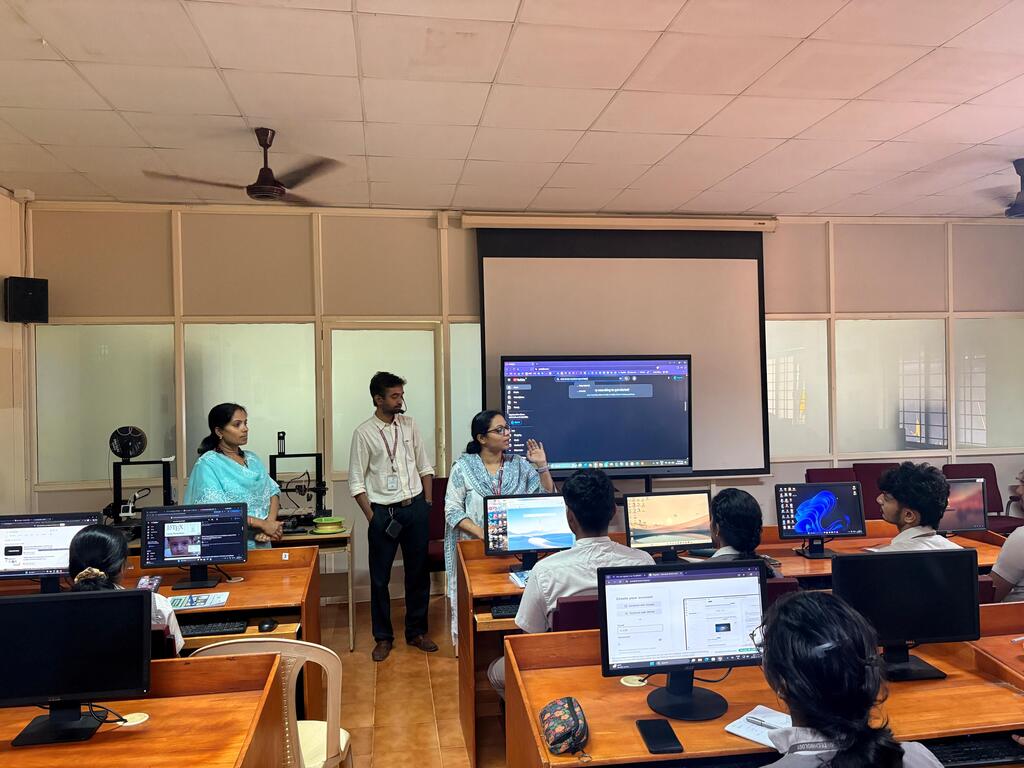
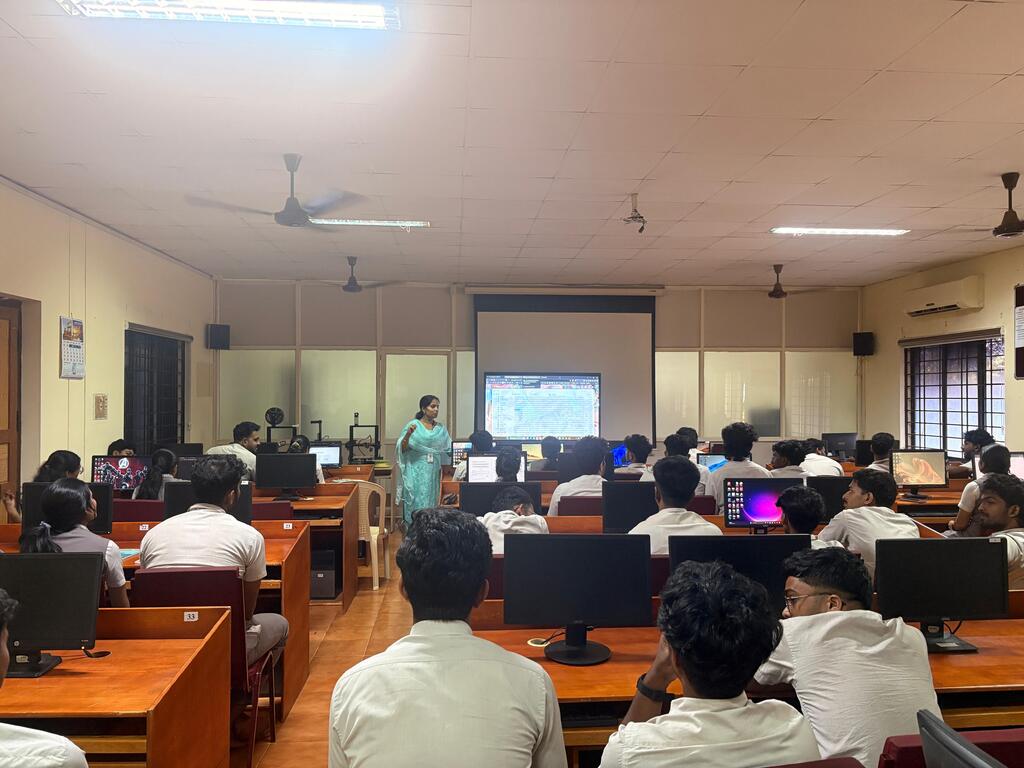
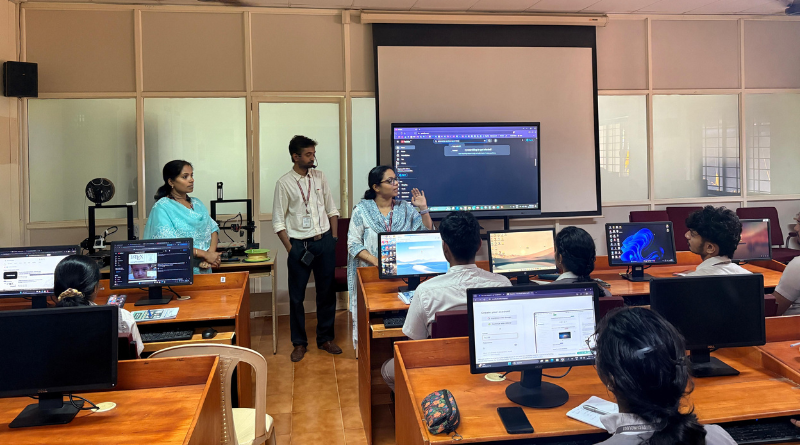
The Department of Electrical and Electronics Engineering (EEE), Vidya Academy of Science and Technology (VAST), in association with the Vidya Research Centre (VRC), VAST, organised “TeXplore 2026 – Learn • Write • Publish”, a hands-on workshop on “From Research Idea to Publication: A Structured Pathway” exclusively for S7 EEE students on 16 September 2026 at the CAD Lab, South Block. The programme was organised in connection with Engineers’ Day 2026.
Inaugural / Introductory Session
The programme with an introductory session by Dr. Vinila M.L (Prof & HoD, EEE Dept) . She emphasised the significance of effective technical documentation in engineering education, project work and research. She highlighted the importance of structured and professional writing in preparing project reports, seminar reports and research publications.
The session provided students with an overview of the role of systematic documentation in communicating technical ideas clearly and effectively. Students were encouraged to develop professional documentation practices and maintain clarity, accuracy, originality and consistency throughout their academic and research activities.
3. Session on LaTeX, Overleaf and Digital Tools
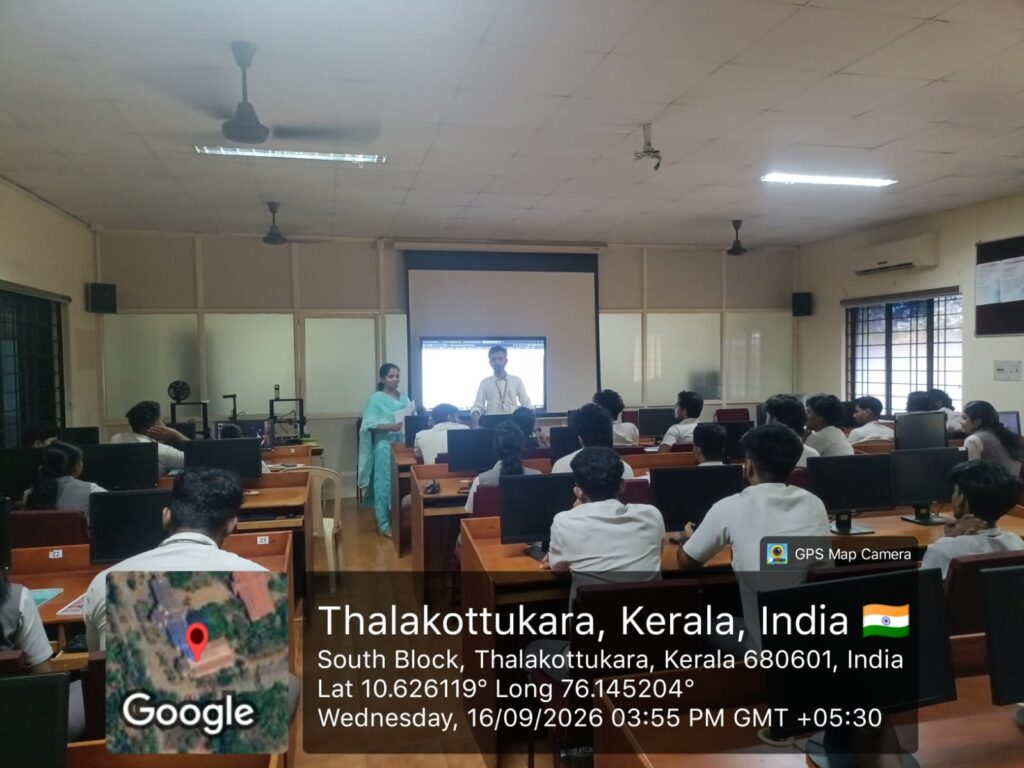
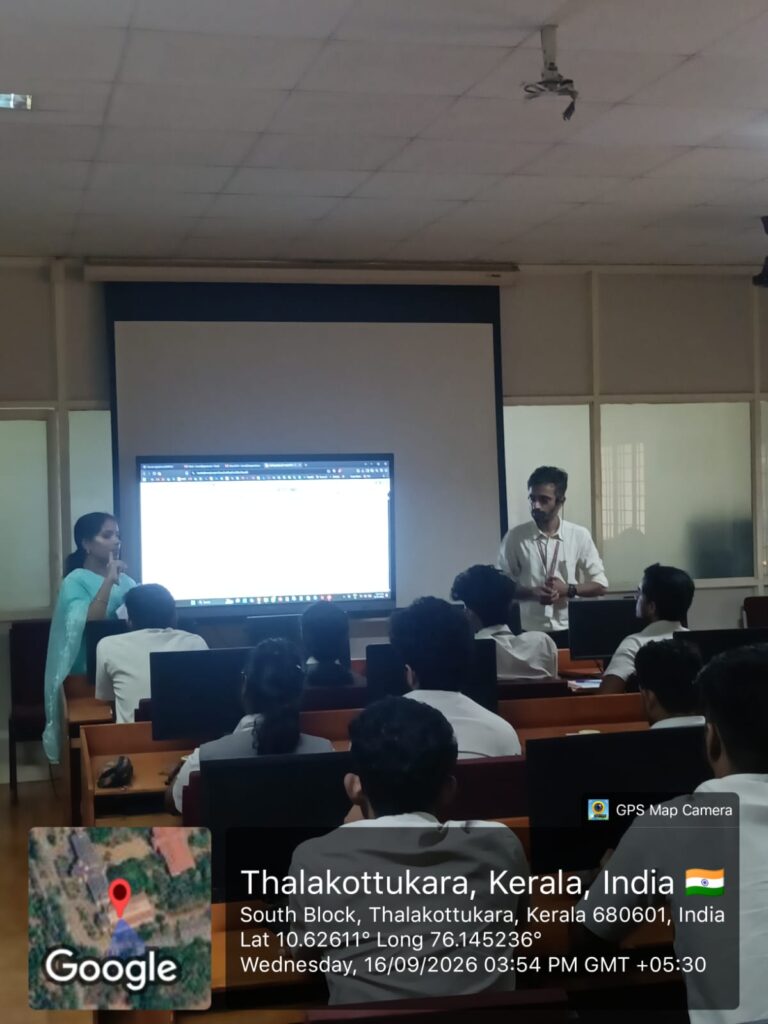
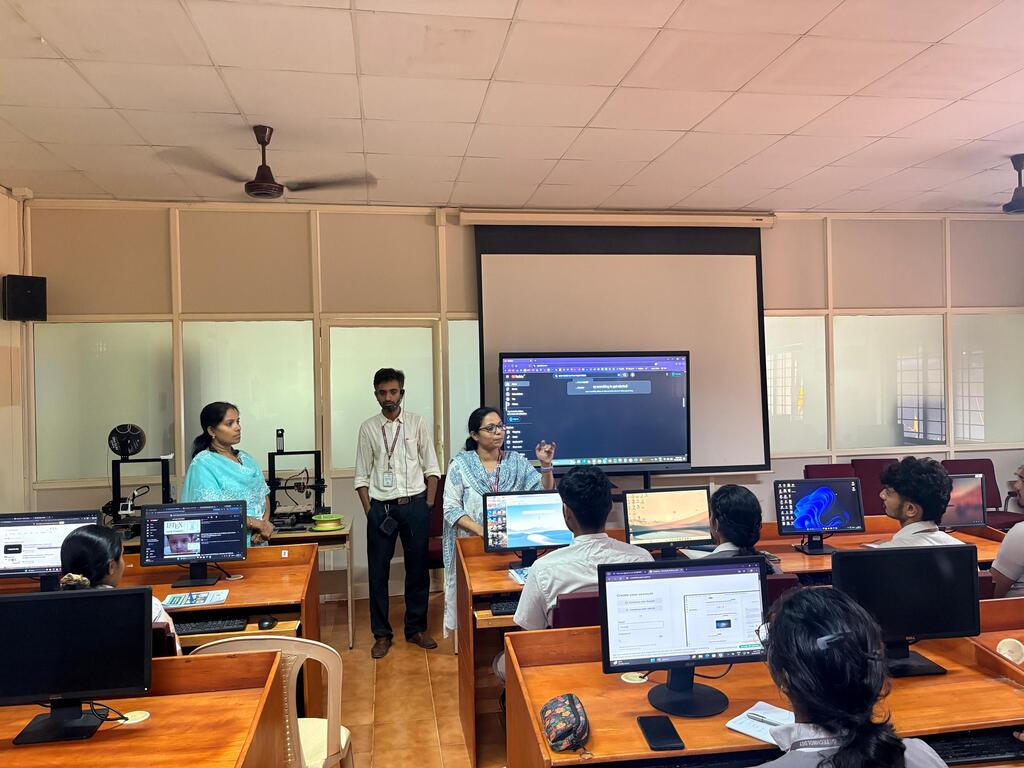
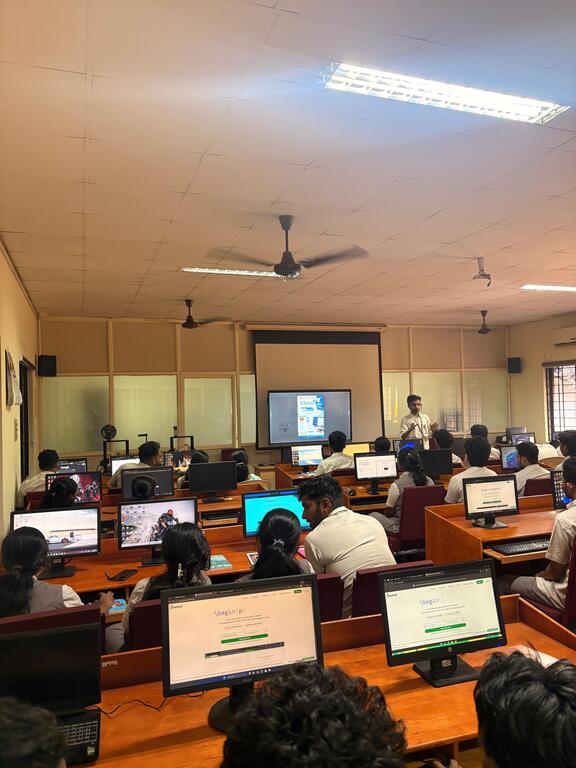
The session on “LaTeX, Overleaf and Digital Tools for Technical Writing” was handled by Mr. Arun Xavier (Asst. Prof – Sr Grade, EEE Dept). The session introduced students to LaTeX templates and the Overleaf platform, highlighting their practical applications in preparing project reports, seminar reports and other academic documents.
The resource person provided practical guidance on the systematic organisation and formatting of various components of technical documents, including sections, figures, tables, equations, captions and references. The session demonstrated how LaTeX and Overleaf can facilitate consistent formatting and efficient preparation of professionally structured technical documents.
Various digital tools that support technical writing, document preparation and reference management were also demonstrated. Students were encouraged to explore these tools as part of a structured, template-based workflow for improving the quality, consistency and presentation of their academic documentation.
| Hands-on Focus: LaTeX templates • Overleaf • Report structure • Figures • Tables • Equations • References |
4. Session on Research Paper Preparation and IEEE Formatting
The later part of the workshop focused on “Research Paper Preparation and IEEE Formatting”, handled by Dr. Neenu Thomas (Asso Prof, EEE Dept). The session provided students with practical guidance on preparing research manuscripts in accordance with IEEE standards, with particular emphasis on the requirements and conventions followed in IEEE journals and conferences.
The session covered the essential components of research paper preparation, including IEEE templates, manuscript structure, formatting, citations, bibliography, figures, tables, references and overall presentation. The resource person explained the importance of maintaining consistency in formatting and following the prescribed guidelines while preparing manuscripts for scholarly communication.
5. Structured Research-to-Publication Pathway
A key theme of the workshop was the structured progression from an initial research idea to a professional publication. Students were encouraged to view their academic activities as connected stages:
| 01 | Research Idea | Identify a meaningful problem and define the scope. |
| 02 | Project Work | Develop, implement, test and document the engineering solution. |
| 03 | Technical Report | Present methodology, results, figures, tables and references systematically. |
| 04 | Seminar Report | Organise technical content using an appropriate academic structure. |
| 05 | Research Paper | Convert significant findings into a concise scholarly manuscript. |
| 06 | Submission | Prepare the manuscript using the target journal or conference template. |
6. Learning Outcomes
• Understand the role of structured technical writing in engineering projects and research.
Gain introductory practical familiarity with LaTeX templates and Overleaf.
• Prepare professionally formatted project and seminar reports.
• Understand major components of IEEE journal and conference manuscripts.
• Use bibliography and reference-management tools more effectively.
• Recognise the importance of originality, responsible paraphrasing and proper citation.
• Develop a systematic workflow from project documentation to potential research publication.
7. Conclusion
TeXplore 2026 – Learn • Write • Publish provided S7 EEE students with valuable practical exposure to modern tools, techniques and practices for technical documentation and research communication. The combination of introductory guidance, hands-on training in LaTeX and Overleaf, and detailed discussions on research paper preparation and IEEE formatting enabled students to understand how their project and seminar work can be developed into professionally structured technical documents and, where appropriate, research manuscripts.
The workshop also helped students recognise the importance of a systematic approach to academic writing, beginning with the identification of a research idea and progressing through project work, technical documentation, manuscript preparation and potential publication. The sessions strengthened their awareness of proper formatting, reference management, originality, academic integrity and responsible use of digital tools.
Overall, the workshop reinforced the message “Learn • Write • Publish” and encouraged students to approach their academic and research activities with greater attention to structure, clarity, originality, accuracy and professional presentation. The knowledge and resources gained through the programme are expected to support students in preparing high-quality academic documents and developing their technical work towards future research and publication opportunities.